
Pogo Pin
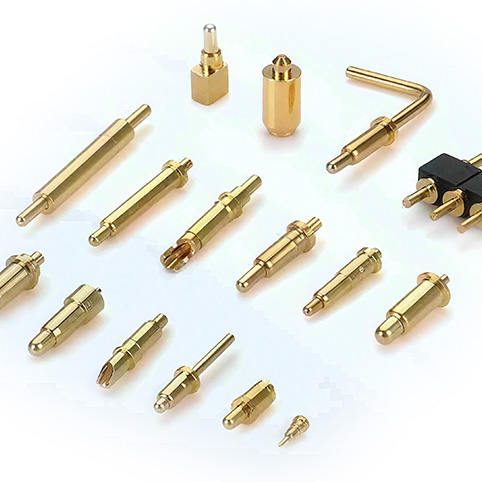
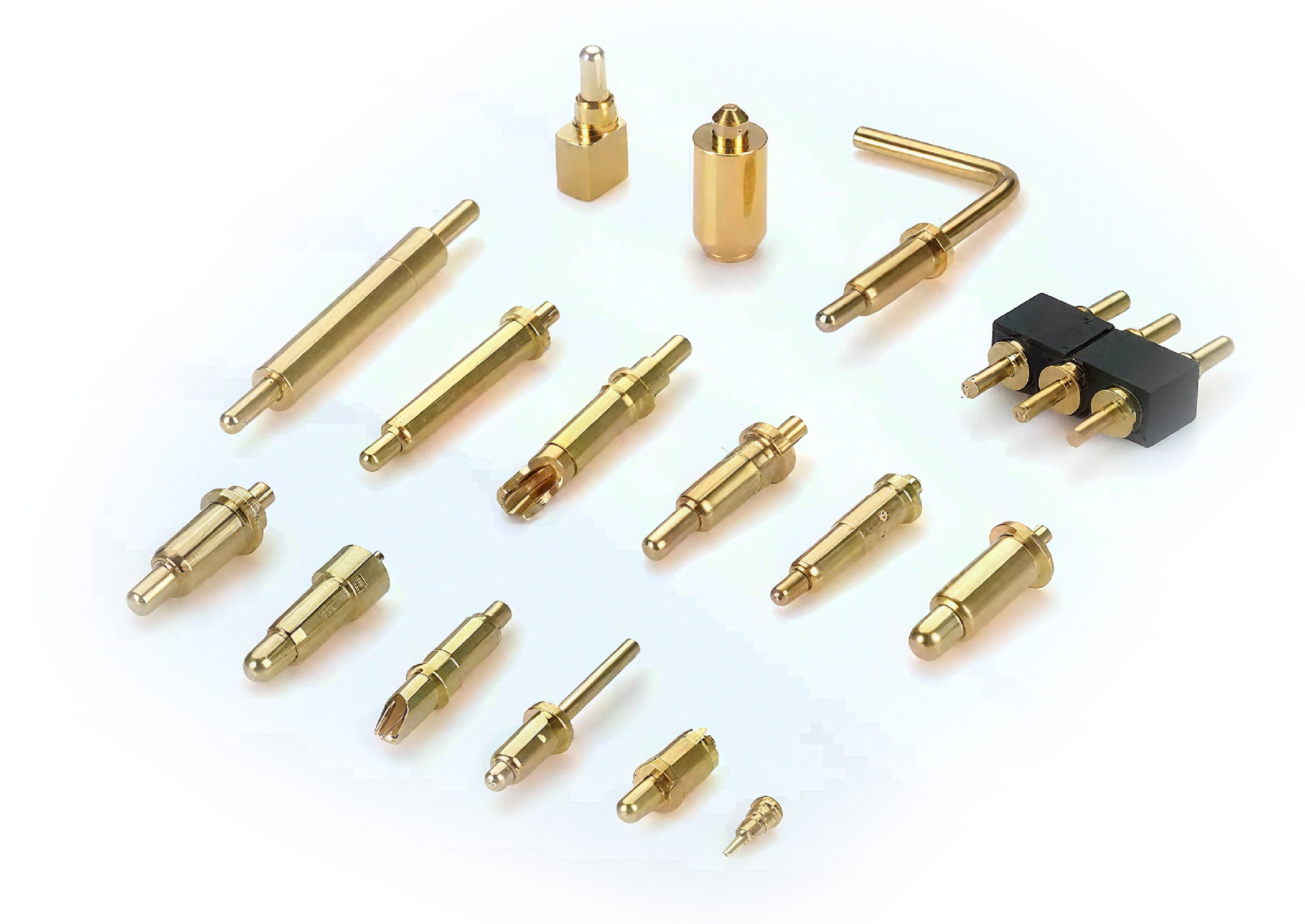
Pogo Pin is a kind of precision connector widely used in various fields. The following is a detailed introduction:
Basic Structure
It is composed of three core parts: the plunger, the spring, and the barrel, which are riveted and pre - pressed by precision instruments. The contact surface between the plunger and the spring is mostly bevel - shaped, ensuring that the plunger is in stable contact with the inner wall of the barrel during operation. The current is mainly conducted through the gold - plated plunger and barrel to obtain a stable and extremely low contact resistance.
Surface Treatment
The surface of Pogo Pin is usually gold - plated, and in some cases, the spring is also gold - plated to improve its corrosion resistance, mechanical properties, and electrical properties.
Common Types
Working Principle
Using the elastic force of the spring, when the Pogo Pin contacts the mating parts such as the PCB board, the plunger is in close contact with the conductive parts such as the copper foil circuit of the other party under the action of the spring, forming a temporary electrical connection to realize the transmission of data, power, or signals. When not in use, the plunger retracts into the barrel under the action of the spring to avoid problems such as short - circuits.